



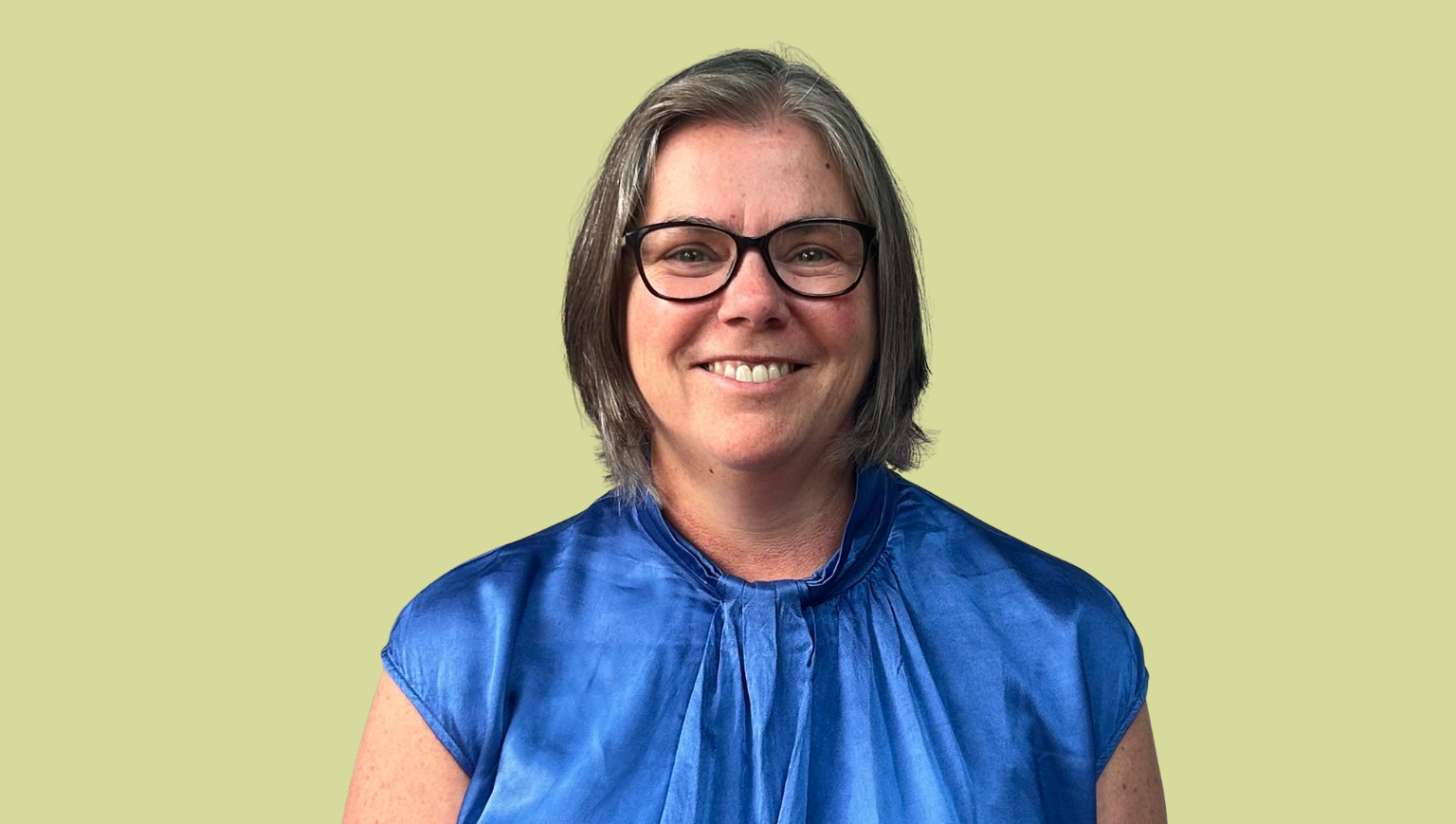
Monique Morar shares her transition into trial management at Protas and what her background in nursing brings to the role.
How did your career bring you to Protas?
When I studied nursing in Australia many years ago, I didn’t set out to be a trial manager.
Nursing is a career that can open up many opportunities. So, my interest in clinical trials evolved over time.
My career in nursing included general medicine, general surgery, coronary care and primary care. All of this experience enabled me to apply for a role as a primary care research nurse.
This is someone who conducts and supports research within settings such as GP practices and community health centres, rather than in hospital settings.
In my previous role before Protas, I worked in a very small, busy unit which comprised of research nurses, trial managers and trial coordinators. I was fortunate to work very closely with these other roles and soon became interested in the trial management side of research.
I’d heard about Protas from a fellow trial manager who was in the process of joining the company. Many things stood out to me about Protas: the company mission and ethos, the start-up culture, and the many opportunities for trial management to shape a better way of doing things.
I was excited to be a part of that. When a job came up, I applied, and I joined the team in September 2023.
What does your role as Trial Manager involve?
Trial managers are problem solvers, and in clinical trials there is always something to be done. This combination means the days are very varied and interesting.
In setting up a new trial, my role would typically involve working on the development of participant-facing material, regulatory submissions, critical documents like manuals and policies, and the training programme for clinical site staff.
I would also contribute to patient and public involvement and engagement (PPIE), to ensure the trial is conducted in a way that’s acceptable, accessible and inclusive to participants.
Once a trial moves into delivery stage, my role would evolve to providing training and on-the-ground support for the site staff, as well as undertaking rigorous checks to make sure that processes we developed are working as intended or if they need to be tweaked and improved.
As part of my job, I’d also be responsible for the maintenance of trial specific plans and manuals like the “manual of operations”, all of which are a critical part of any clinical trial.
These documents need to be kept up to date with the trial as it is refined so that central and site staff have accurate procedures to follow and information to refer to.
At Protas, while everyone contributes individually to our work in designing and delivering clinical trials, ultimately, it’s about the team coming together to achieve the trial’s goals.
Without an engaged and enthusiastic team, trials wouldn’t be possible.
How do you deliver successful training?
Open communication, a positive rapport and interesting content are essential if training is going to be good.
At Protas, our approach to trials is innovative, such as bringing trials directly to participants through mobile clinical units (essentially clinics that can be driven right into the heart of the community). Likewise, our Cantata trial management platform is the first of its kind.
Our method is based on quality by design principles, whereby quality is built into every single aspect of our work. And we follow industry-leading good clinical practice guidelines, such as those developed by the Good Clinical Trials Collaborative.
We also spend time understanding our audiences and what’s going to be most useful to them. As we are a remote organisation, training can be delivered online but there’s also huge value in delivering training in person. It’s important to gauge the audience need and tailor the approach to that.
Together, this all means that the training experience is more likely to be interesting, informed and rigorous, brought to life by the collective experience of our team.
How does your previous experience as a nurse contribute to your work at Protas?
I’m able to see everything from the perspective of having been on the other side.
For instance, whether in developing readable and accessible participant documents, designing site staff training or testing our tech platform, Cantata, I know what’s going to resonate and be useful to site staff and participants.
Not everyone working in clinical trials has that dual experience, and I feel it brings a lot of value to my work.
I feel fortunate to have been the healthcare professional working directly with patients, as their perspective is critical to delivering any trial.
How are trial managers uniquely positioned to improve the status quo in clinical trials?
Trial managers sit in the middle of the action. They’re the eyes and ears.
Fundamentally, we’re in a position of understanding what works or what’s in need of improvement, and being empowered to vocalise necessary changes that are going to help make the trial a success.
I’m fortunate working at Protas because our overall aim is to be transformative in clinical trials. We don’t do things because they’ve always been done that way.
Instead, we look for the opportunities for innovation, which is particularly exciting and rewarding for a trial manager.